

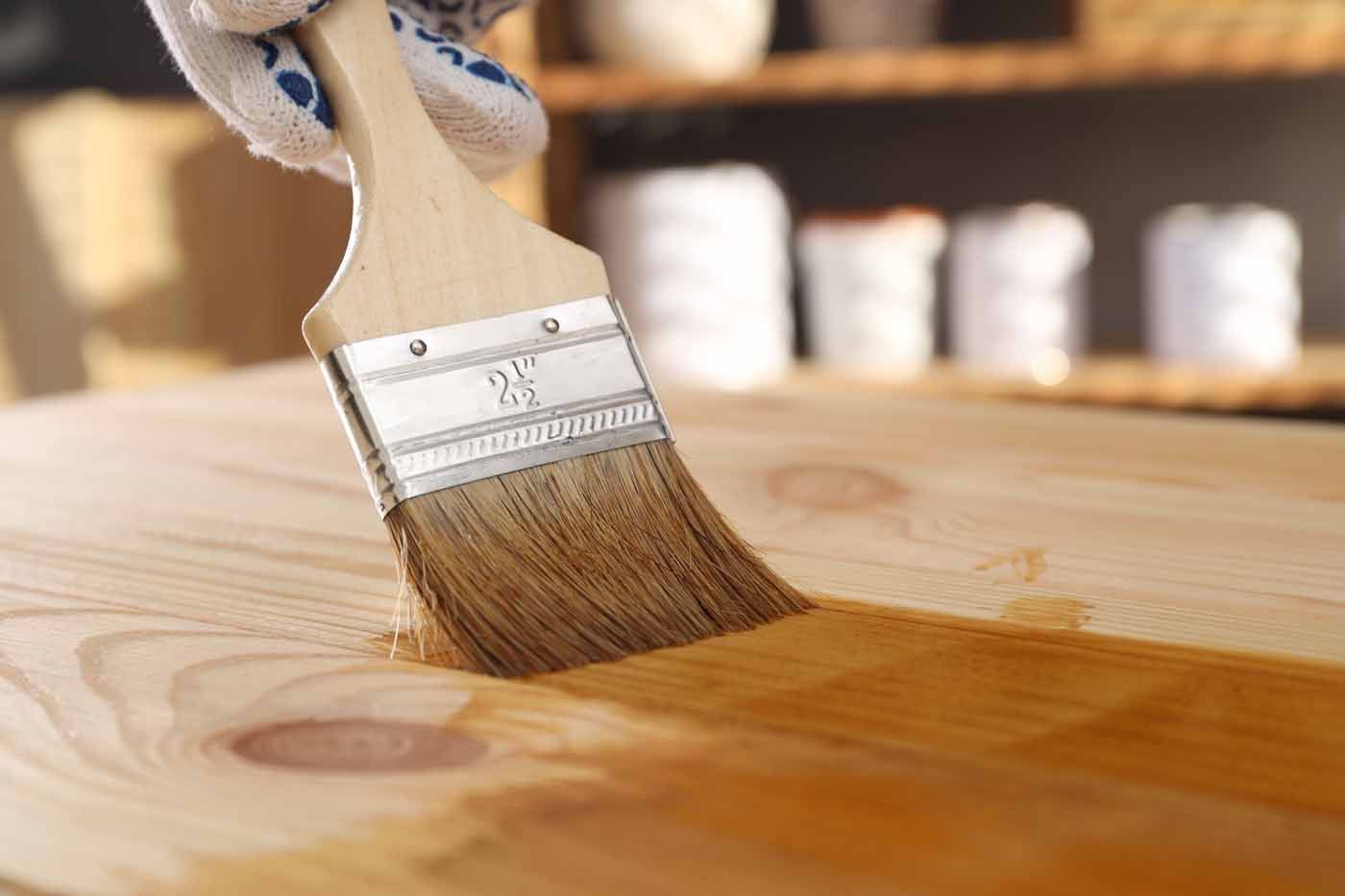
Protect Wood Surfaces While Highlighting Natural Character
Wood Staining and Clear Coating in Florence, Bitterroot and surrounding areas for interior trim, cabinetry, and features where wood grain needs protection without concealing texture
Premier Painting of Montana provides wood staining and clear coating for homeowners in Florence and surrounding areas who want to preserve the natural appearance of wood trim, built-in shelving, and cabinetry while guarding against moisture, handling, and sunlight exposure. You maintain the wood's texture and grain pattern while applying a finish that resists wear and simplifies cleaning. The process begins with surface conditioning to remove old wax, oils, or previous coatings that interfere with stain absorption.
Sanding follows conditioning to open wood pores and create a smooth base for even stain penetration. Stain is applied in thin layers, with excess wiped away to prevent blotching and ensure consistent color depth across boards with varying density. After stain dries, clear topcoats such as lacquer or polyurethane seal the surface and add durability suited to the level of contact the wood will receive. Interior wood near windows or in humid bathrooms benefits from moisture-resistant clear coats.
If your wood surfaces show fading, scratches, or uneven color from previous treatments, reach out to discuss staining and sealing options for both interior and exterior wood elements.
Why Surface Preparation Determines Finish Longevity
Wood staining relies on proper sanding to remove surface contaminants and open the grain so stain penetrates evenly rather than pooling in some areas and skipping others. Softwoods like pine absorb stain unevenly without pre-stain conditioner, which controls absorption and reduces blotching. Hardwoods such as oak and maple accept stain more uniformly but still require sanding to eliminate gloss from old finishes that block new coatings.
Once stain is applied and wiped, you see the wood's natural grain pattern become more defined, with color settling into pores and figure lines. Premier Painting of Montana applies clear coats in multiple thin layers rather than single heavy applications, which reduces runs, bubbles, and uneven gloss. The result is a hard, smooth surface that resists water spots, scratches from daily use, and dulling from repeated cleaning.
Lacquer finishes dry quickly and allow for light sanding between coats to remove dust nibs and surface irregularities. Polyurethane finishes provide thicker protection but require longer drying times and careful ventilation. Exterior wood elements such as entry doors and porch columns also benefit from UV-resistant clear coats that slow fading and prevent the wood from turning gray.

Answers to Questions About Staining and Sealing Wood
Homeowners in Florence & throughout the Bitterroot Valley often ask about stain color consistency, coating durability, and whether previously finished wood can be restained.
- What happens if wood is stained without sanding first?
Stain sits on top of the existing finish or contamination rather than penetrating the wood, leading to poor adhesion, uneven color, and early failure of the topcoat. - How do you match stain color to existing woodwork?
Stain is tested on scrap pieces or inconspicuous areas, adjusted with additional pigment or dilution, and compared under the same lighting conditions present in the room. - Why does some wood turn blotchy after staining?
Blotching occurs in softwoods with uneven density, where some areas absorb more stain than others unless a pre-stain conditioner is applied to regulate absorption. - When should I use lacquer instead of polyurethane?
Lacquer works well for furniture and trim where fast drying and easy repair matter, while polyurethane suits high-contact surfaces such as handrails and tabletops that need maximum scratch resistance. - How often does exterior wood need refinishing in Florence?
Exposure to sun, snow, and temperature swings typically requires recoating every three to five years depending on the quality of the original finish and the wood's exposure orientation.
Premier Painting of Montana evaluates wood condition, selects appropriate stains and clear coats based on use and exposure, and ensures proper surface prep before any finish is applied. Contact the team to review your wood finishing project and discuss preparation steps specific to your surfaces.