Eliminate Surface Flaws Before Paint Touches the Wall
Drywall Repair and Installation in Florence, Bitterroot and surrounding areas for walls and ceilings damaged by holes, cracks, or water intrusion that require patching before painting
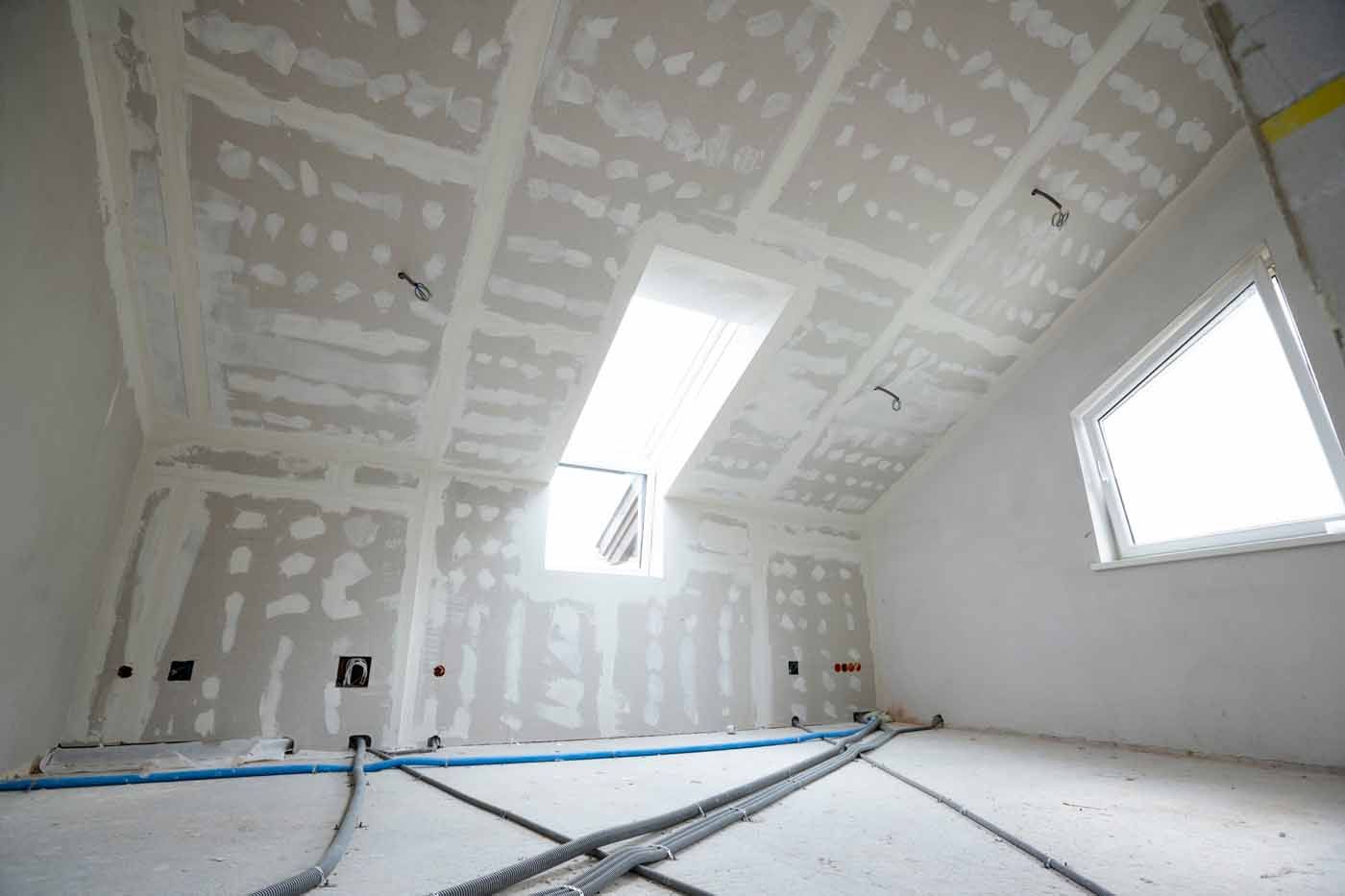
Premier Painting of Montana offers drywall repair and installation for homeowners in Florence, Montana and surrounding areas whose walls or ceilings show damage from nail holes, door impacts, plumbing leaks, or settling cracks that disrupt smooth surfaces. You prepare interior spaces for painting by addressing structural imperfections that show through even multiple coats of paint. The process begins with assessment of the damaged area to determine whether patching, panel replacement, or texture matching is required.
Small holes from nails or screws are filled with joint compound, while larger damage requires cutting out the affected section and installing a patch piece secured to backing material. Joint compound is applied in layers, sanded smooth between coats, and feathered at the edges to blend with surrounding drywall. Texture matching follows patching when walls or ceilings have orange peel, knockdown, or other applied finishes. Once repairs are complete and sanded, the surface is primed to seal the new compound and create uniform porosity for paint.
If your walls show cracks, dents, or water stains that compromise the appearance of painted surfaces, request a drywall repair consultation to review damage and discuss preparation steps.
Why Drywall Finishing Affects Final Paint Quality
Drywall repair requires proper drying time between joint compound layers to prevent cracking, shrinking, or uneven surfaces that telegraph through paint. Sanding follows each coat to remove ridges and high spots, with progressively finer grits used to achieve a smooth finish. Dust from sanding must be vacuumed or wiped away before priming, or it interferes with paint adhesion and creates a gritty texture.
After repairs are completed, you see walls and ceilings that appear continuous and free of shadows, bumps, or discoloration that draw the eye. Premier Painting of Montana matches existing textures by applying joint compound with rollers, brushes, or spray equipment, depending on the pattern and finish depth. Smooth-finished drywall requires additional coats and sanding compared to textured surfaces, but results in a clean appearance suited to modern interiors.
Water-damaged drywall often shows staining or softness that indicates the need for replacement rather than patching, as moisture compromises the gypsum core and leads to mold growth or structural failure. Drywall installation is necessary when walls are opened for plumbing or electrical work, or when remodeling projects remove non-structural partitions. New panels are cut to fit, secured with screws, and finished with tape and joint compound to create seamless transitions.
Questions About Drywall Patching and Preparation
Homeowners in Florence & surrounding areas often ask about repair durability, texture matching, and whether small holes need professional attention before painting.
- What size hole requires a drywall patch instead of just compound?
Holes larger than two inches in diameter typically need a backing patch or replacement piece because joint compound alone lacks the strength to span the opening and will crack or sink over time. - How do you match orange peel texture on a repaired section?
Texture is replicated by thinning joint compound to a sprayable consistency, applying it with a hopper gun or roller, and adjusting the nozzle or roller pattern to match the surrounding surface. - Why do cracks reappear after being patched?
Cracks return when movement in framing, foundation settling, or temperature changes stress the drywall beyond the flexibility of the repair compound, requiring flexible fillers or structural correction. - When should I replace an entire drywall panel instead of patching?
You replace panels when damage is widespread, when multiple layers of old repairs have created an uneven surface, or when water damage has softened the core material. - How long does joint compound take to dry before sanding?
Drying time depends on humidity, ventilation, and compound thickness, but most layers require at least 12 to 24 hours before sanding to avoid gumming or tearing the surface.
Premier Painting of Montana completes drywall repairs as part of interior painting projects or as standalone services when walls need correction before finish coatings. Contact the team to evaluate damage, discuss repair methods, and schedule work that prepares your surfaces for smooth, uniform painting.